


This piece comes to us from the Wildlife Conservation Society (WCS). To honor Women’s History Month, WCS and Nature are sharing stories of nature and conservation.
Revisiting Smith College’s Lyman Plant House & Conservatory during the Spring Bulb Show. While many people studied in the library, this is where you would often find Sarah. Photo credit: ©️ Dr. Stephanie Eckman (Sarah’s fellow Smithie).
A few weeks ago, I visited my alma mater, Smith College, and found myself transported back to the 1990s. With my fellow biology students, I’d spent hours discussing the “state of nature” and looming environmental crises. We feared catastrophic deforestation, accelerating biodiversity loss, and the systemic policy failures causing such unsustainable land use change. Climate change was just beginning to enter mainstream discourse.
In 2026, it would be easy to feel discouraged. Many of those same headlines persist and some challenges have only intensified. But as someone who has dedicated thirty years to conservation work, I see something different: not just the persistence of these problems but an extraordinary expansion of our capacity to solve them.
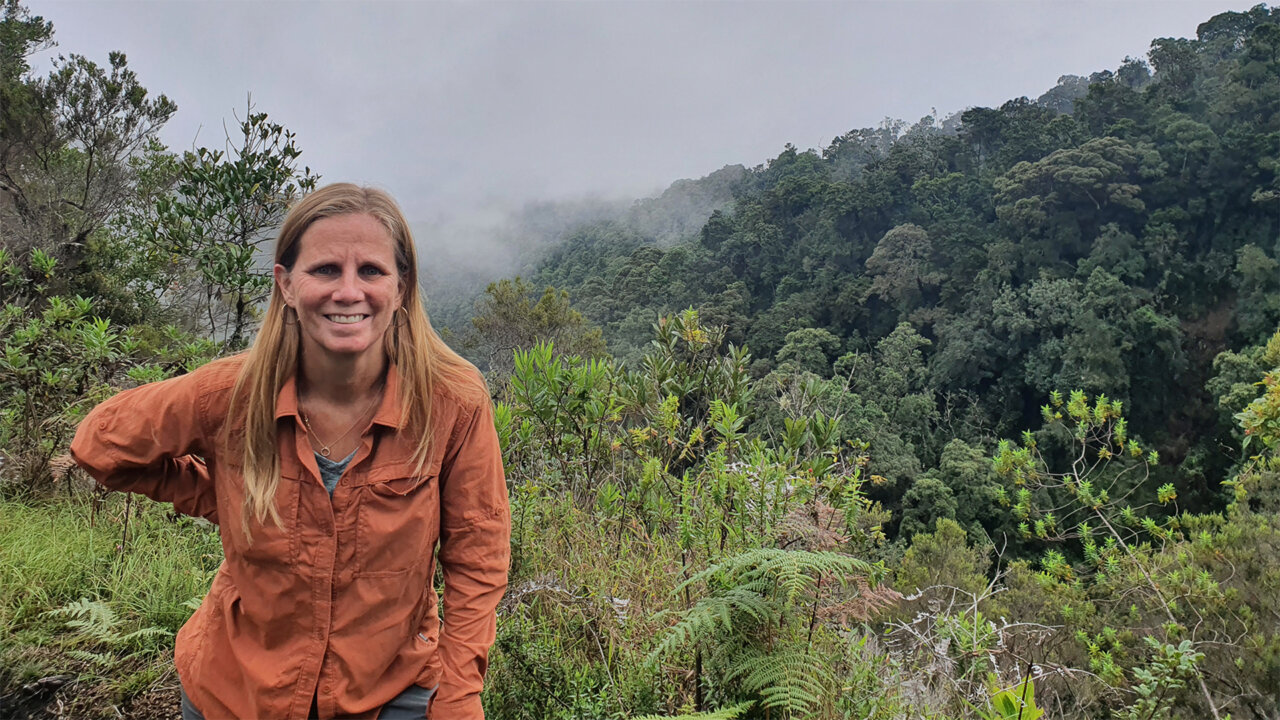
Field visit with WCS Tanzania to one of Tanzania’s Forest Reserves. Following training by WCS, local communities manage the forest reserve and conduct forest patrolling to monitor any potential deforestation. Photo credit: ©️ Vicky Mbofu.
The Journey from Idealism to Impact
My path led next to a rural farming community in Lesotho. As a Peace Corps volunteer there and during my subsequent travels across Africa, I witnessed the reality that many land-use decisions are made not by choice, but by necessity.
This awareness drew me back to academia to study the long-term impacts of these decisions on soil fertility, crop production, and land cover. Meanwhile, the global community was constructing the first frameworks for climate mitigation. I realized that forest restoration and avoided deforestation, powered by climate finance, represented a convergence of my interests in greater land-use efficiency, sustainable rural livelihoods, and a response to our changing planet.
True conservation happens on the ground, led by local experts and communities. Yet without clear, transparent systems and standards to demonstrate impact, the work remains economically invisible. I knew I could never match the knowledge of local community members, but I could serve them by translating their hard work into the rigorous language of global climate finance.
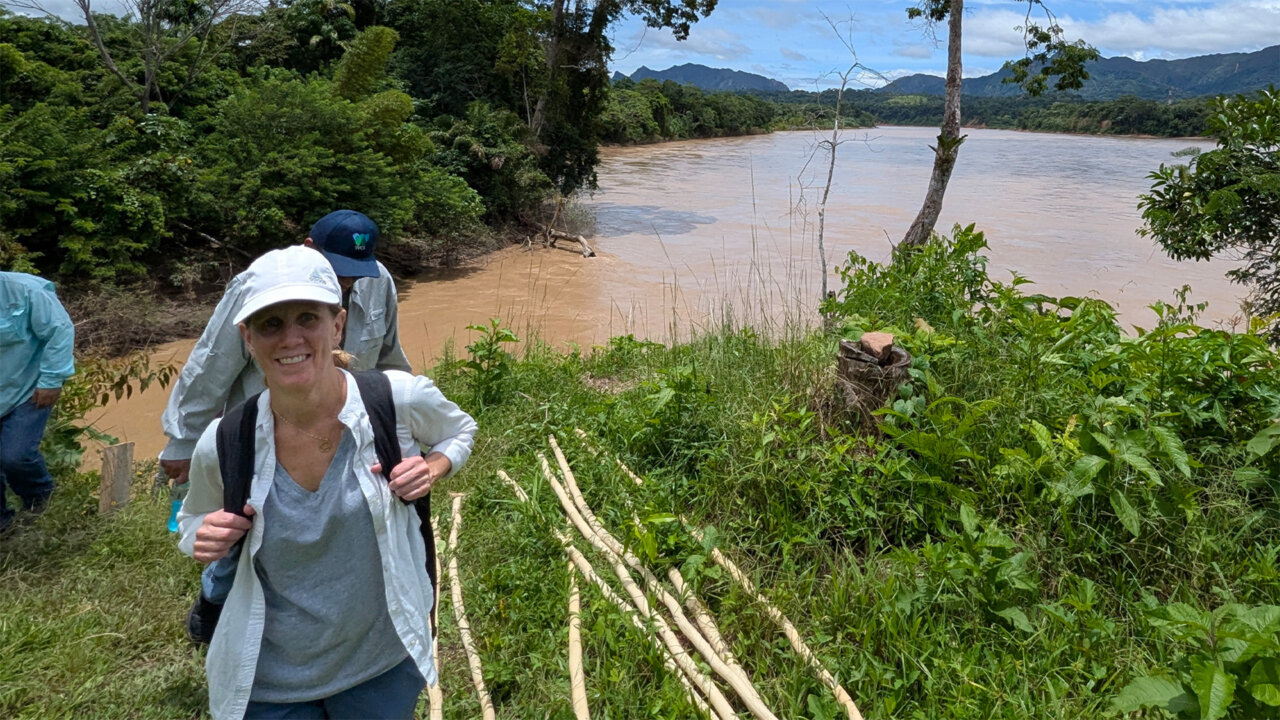
Visting the Tacana Indigenous Territory with the Tacana and WCS Bolivia teams. The Tacana and WCS are currently evaluating the potential to develop an avoided deforestation carbon project, allowing the Tacana to protect their indigenous lands. Photo credit: ©️ Anna McMurray.
Three Decades, Three Lessons
Over the past thirty years, I’ve been privileged to work in more than 40 countries with everyone from government ministers to rural farmers. This extended “field survey” has taught me three fundamental lessons that guide my work today.
First, start with the experts on the ground. Local farmers and community members are invariably at the forefront of global economic and environmental forces. Today, they don’t need scientific studies to tell them the world is changing—they feel it in their harvests, their water sources, and their economic stability. Instead, they want the resources and tools to improve their own futures.
Second, complex challenges demand a massive, inclusive community. At Winrock International, I had the fortune to work alongside Dr. Sandra Brown, a pioneer who first quantified forests’ critical role in the global carbon cycle and co-authored the foundational impact evaluation methods used today. Her core beliefs that innovative solutions must come from people with diverse backgrounds, and that it is our responsibility to broaden this community, has shaped my entire career.
Third, we all hold the power to create solutions. Over the last thirty years, the entire climate finance market has been developed. At the same time, we have built satellite monitoring systems, AI driven models, and standard evaluation tools to identify deforestation causes, evaluate solutions, and estimate the effect of forest protection measures.
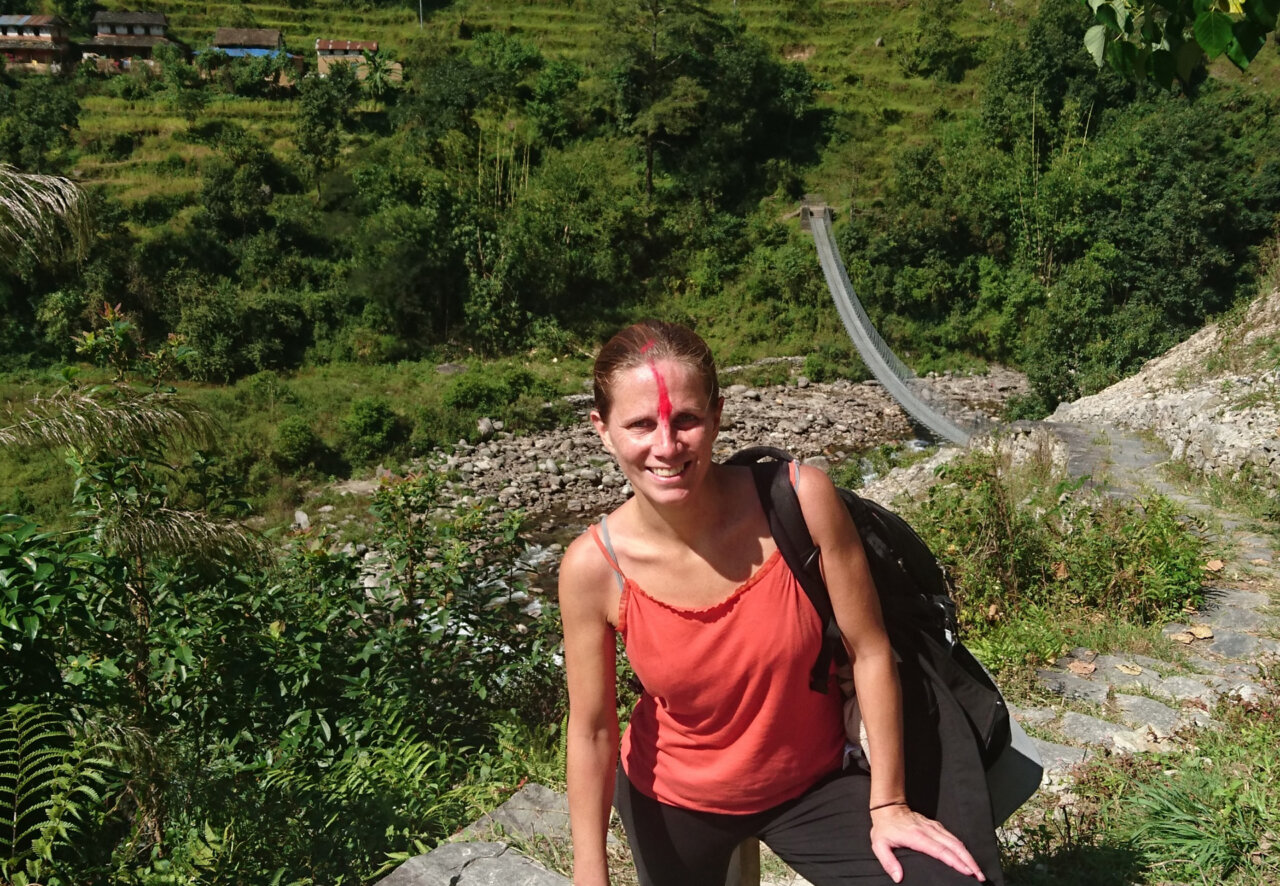
Visiting Nepal’s community managed forests following finalization planning for Nepal’s World Bank avoided deforestation program. Photo credit: ©️ Raju Damai.
Measuring Success at Scale
The impact of this work is no longer theoretical. More than $200 billion is flowing annually to the climate finance market today. Projects generating climate finance revenue from improved agriculture, avoided deforestation, and reforestation efforts now encompass over 4,000 registered projects worldwide. Most significantly, these frameworks have helped protect over 100 million hectares of forest—an area roughly the size of Egypt.
Yet, as significant as these milestones are, they represent only a fraction of the total need. To truly address the magnitude of the climate and biodiversity crises, we must expand this financial flow exponentially and rapidly. Conserving and restoring nature represents the most financially efficient approach to mitigate climate change while also stabilizing local watersheds, preserving biodiversity, and supporting rural communities.
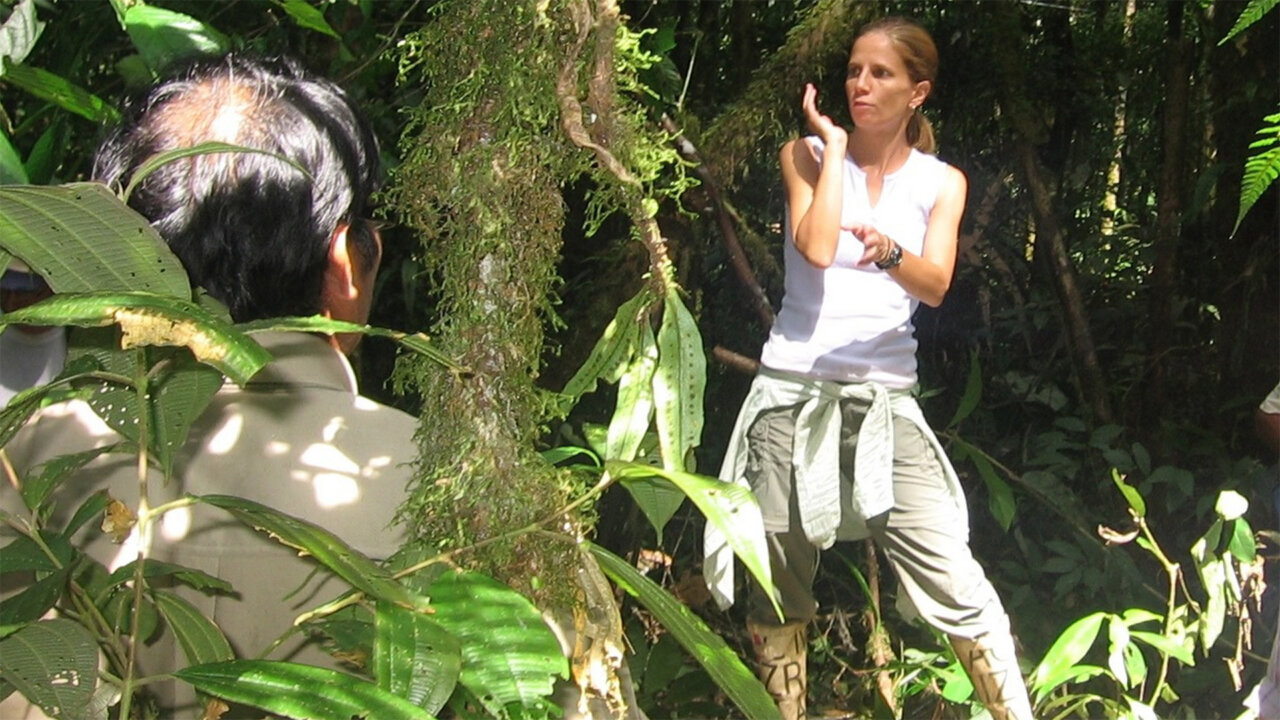
Forest biomass inventory training in Cordillera Azul National Park, Peru. Photo courtesy Dr. Sarah M. Walker.
Building the Future of Conservation
I was drawn to WCS as one of the first global entities to develop avoided deforestation programs that positioned climate finance as a cornerstone for conservation. Now we’ve expanded our portfolio to over ten major projects under development spanning four continents, demonstrating how rigorous, high-integrity climate finance systems can not only promote the livelihoods of local people but actively strengthen them. By helping them access global climate funds, we’re building a model where environmental protection drives prosperity rather than obstructing it.
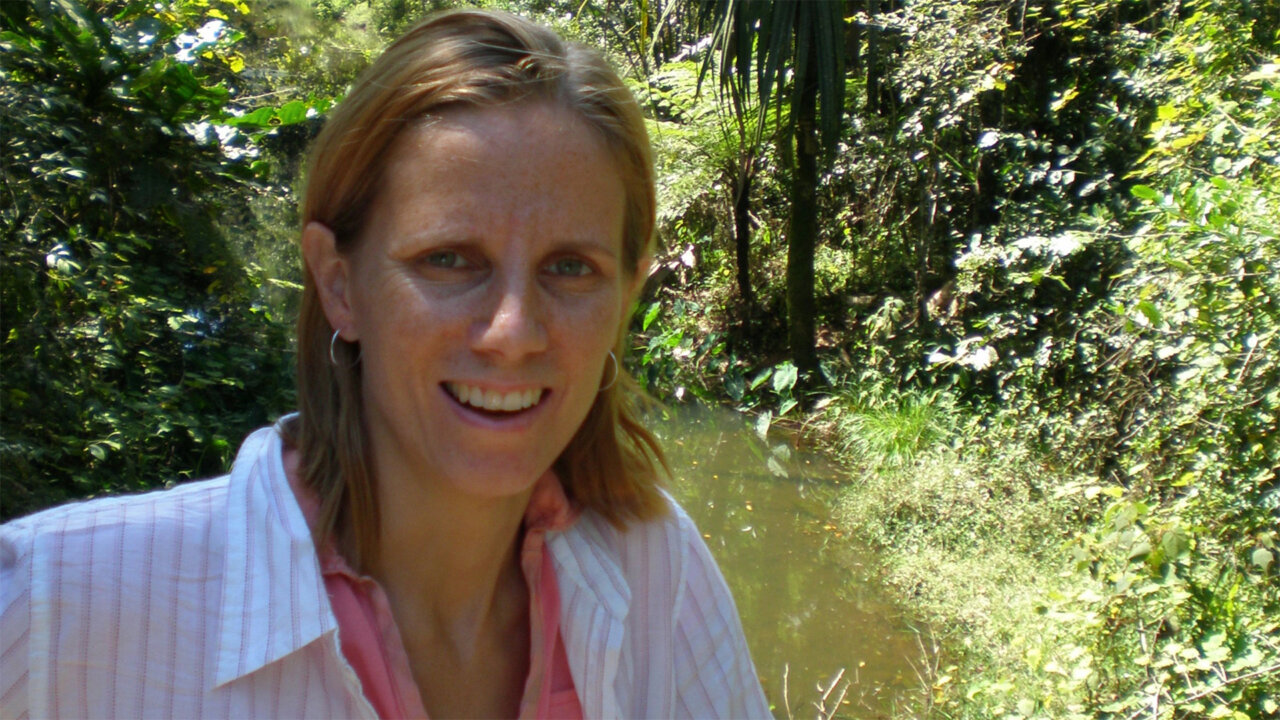
At the base of the Makira Natural Park prior to starting forest biomass inventory training. WCS and the Government of Madagascar’s Makira Avoided Deforestation Project serves as one of the longest standing avoided deforestation carbon projects globally. Photo credit: ©️ Dr. Nancy Harris.
The tools are in our hands
I’m struck by the transformation we’ve witnessed since I was that idealistic college student. The environmental threats haven’t disappeared. What’s changed is our capacity to respond. We now possess both the climate awareness and sophisticated technological and financial tools to act decisively.
The next chapter of this story is being written in real-time, in communities from the Amazon to the Congo Basin, where local knowledge meets global technology to forge solutions. To meet the challenges our world is facing, we must answer Dr. Brown’s call: I invite as many of you as possible to join us in creating the solutions of tomorrow.